

Riverside County · Inland Empire West · Q2 2026
Warehouse & Distribution Space in Jurupa Valley
Asking rent
$1.00–$1.24/SF/mo NNN
Sale pricing
$300–$400 per square foot
Inland Empire West vacancy
5.9%
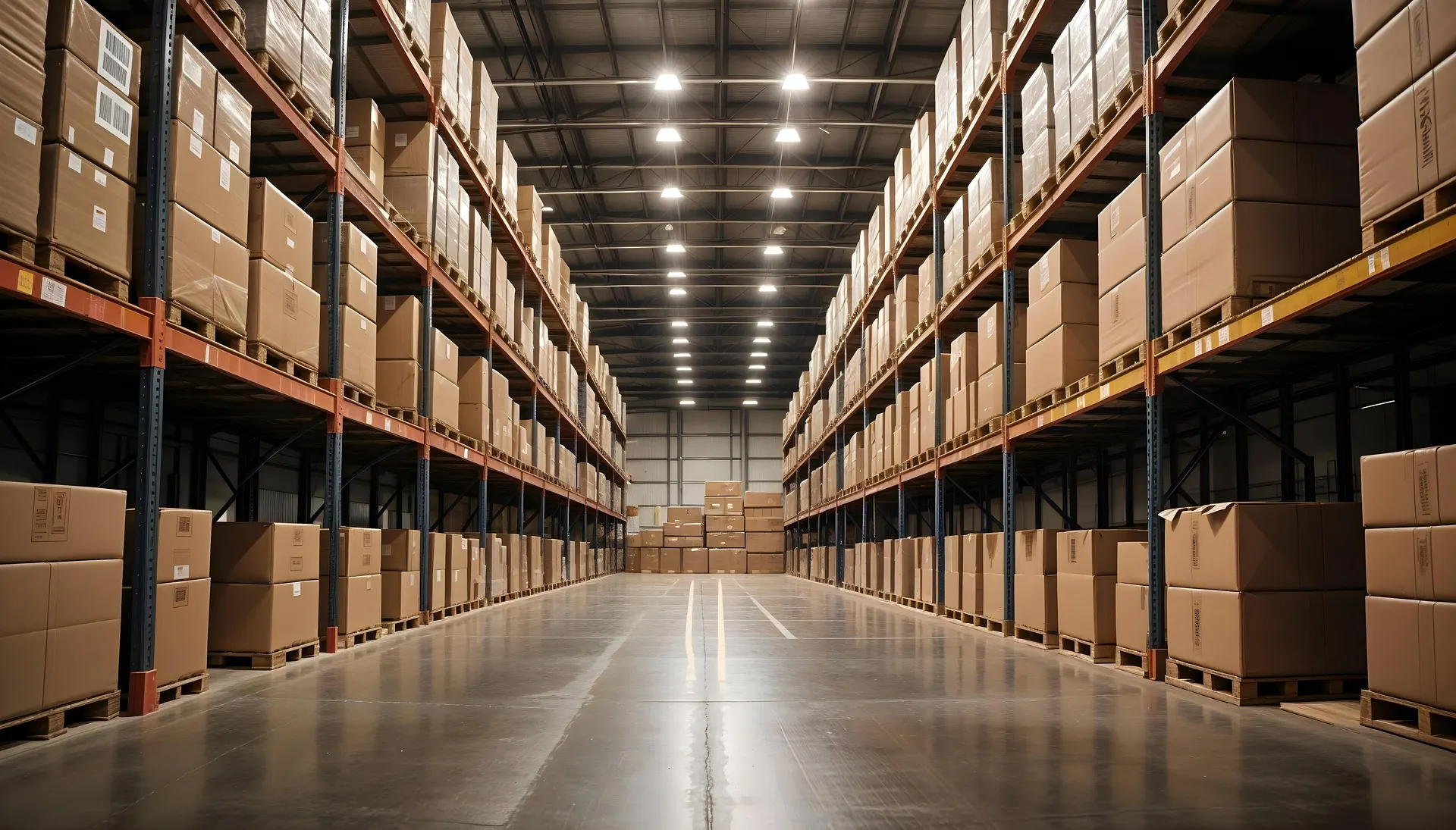
Warehouse and distribution space in Jurupa Valley, California typically asks $1.00–$1.24/SF/mo NNN and sells for roughly $300–$400 per square foot as of Q2 2026. Jurupa Valley sits in Inland Empire West (Riverside County), where direct vacancy is about 5.9% and the sub-regional average asking rent is $1.11/SF/mo NNN. Pricing within that range is set by clear height, dock-high door count and truck court depth, sprinkler system, power service, office finish ratio, and freeway access.
By Dan Scodeller, Senior Vice President | Principal, Lee & Associates Last updated Data through Q2 2026
What are current market conditions for warehouse & distribution space in Jurupa Valley?
City-level industrial statistics are not published with the same rigor as sub-regional figures, so the table below shows Inland Empire West conditions — the best available proxy for Jurupa Valley — alongside the Inland Empire overall. Use it to frame expectations, then get a building- or site-specific survey before making a decision.
| Metric | Inland Empire West | Inland Empire overall |
|---|---|---|
| Average asking rent (NNN) | $1.11/SF/mo | $0.98/SF/mo |
| Direct vacancy | 5.9% | 7.6% |
| Total vacancy (incl. sublease) | Tracked IE-wide | 8.6% |
| Availability rate | Tracked IE-wide | 12.9% |
| IOS cap rate (indicative) | Tracked IE-wide | ~6.5% |
| Market character | Tighter and pricier, port-proximate, premium logistics demand | |
Market figures are aggregated from third-party commercial real estate research (CBRE, Colliers, Kidder Mathews, Savills, Altus Group, Lee & Associates) for the quarter shown. Data is deemed reliable but not guaranteed and represents market averages that may not reflect any specific property.
| Measure | Jurupa Valley estimate |
|---|---|
| Typical asking rent | $1.00–$1.24/SF/mo NNN |
| Typical sale pricing | $300–$400 per square foot |
| Sub-region | Inland Empire West · $1.11/SF/mo NNN average |
| What sets pricing | clear height, dock-high door count and truck court depth, sprinkler system, power service, office finish ratio, and freeway access |
Anchored to the Inland Empire West average of $1.11/SF/mo NNN.
Source: CBRE Q2 2026, Colliers Q1 2026, Kidder Mathews Q2 2026, Savills Q1 2026, Lee & Associates Mid-2026. Pricing estimates are derived from sub-regional averages and are directional only.
Why Jurupa Valley for warehouse & distribution space?
Mira Loma / Jurupa corridor — dense with big-box distribution and outdoor storage near the 60 and I-15. For warehouse and distribution buildings specifically, that context matters: Jurupa Valley is in Riverside County and prices against Inland Empire West conditions — currently 5.9% direct vacancy and $1.11/SF/mo NNN average asking rent.
Being on the west side of the Inland Empire carries a real premium. Inland Empire West runs 5.9% vacancy against 9.0% on the east side, and asking rents are about $0.17 per square foot per month higher. Tenants pay that premium for proximity to the Ports of Los Angeles and Long Beach and to Ontario International Airport — the fewer miles per truck turn, the more the premium pencils. Developable land is largely exhausted here, so new supply is limited and existing product holds value better through soft cycles.
Typical users of warehouse and distribution buildings in Jurupa Valley are third-party logistics providers, regional distributors, e-commerce fulfillment operators, importers, and manufacturers with a distribution component. Product ranges from 20,000-square-foot multi-tenant units up through 300,000-square-foot regional distribution buildings.
What to check before you lease or buy warehouse & distribution space in Jurupa Valley
Clear height is the first filter
Anything under 24 feet clear prices at a discount and screens out most modern racking systems. 32 to 36 feet is the current standard for new distribution product, and the rent gap between a 22-foot building and a 32-foot building is wider than the rent gap between submarkets.
Loading determines who can use the building
Dock-high door count, truck court depth, and trailer parking decide whether a distribution tenant can operate at all. A building with a shallow court and four doors is a storage building, not a distribution building, regardless of how it is marketed.
Power is the quiet dealbreaker
Automation, cold storage, and light manufacturing all need service that many older buildings do not have. Upgrading service through Southern California Edison can take many months, so verify existing amperage before committing to a lease or a purchase.
Warehouse & Distribution Space in Jurupa Valley — frequently asked questions
How much does warehouse and distribution space cost in Jurupa Valley, CA?
Warehouse and distribution space in Jurupa Valley generally asks $1.00–$1.24/SF/mo NNN and sells for roughly $300–$400 per square foot as of Q2 2026. Anchored to the Inland Empire West average of $1.11/SF/mo NNN. NNN means the tenant additionally pays taxes, insurance, and maintenance — typically $0.12 to $0.20 per square foot per month in the Inland Empire. Where a specific building falls in that range comes down to clear height, dock-high door count and truck court depth, sprinkler system, power service, office finish ratio, and freeway access.
Is there warehouse and distribution space available in Jurupa Valley right now?
Yes. Inland Empire West, which includes Jurupa Valley, is running about 5.9% direct vacancy as of Q2 2026, against 7.6% for the Inland Empire overall and 12.9% availability including space marketed but still occupied. That is meaningfully more choice than tenants had between 2021 and 2023, and landlords are offering real concessions — free rent, improvement allowances, and flexible terms. Availability in Jurupa Valley specifically changes week to week, so a current survey beats any published figure.
Is Jurupa Valley a good location for warehouse and distribution space?
Mira Loma / Jurupa corridor — dense with big-box distribution and outdoor storage near the 60 and I-15. As part of Inland Empire West, Jurupa Valley costs more — about $1.11/SF/mo NNN against $0.94/SF/mo NNN on the east side — and delivers shorter drayage runs to the ports and Ontario International Airport. It fits operations where truck turns per day drive the economics. The honest answer for any specific requirement depends on your truck counts, headcount, power needs, and timing — which is exactly the conversation worth having before you tour anything.