

Seller representation
Sell Your Inland Empire Industrial Property
Warehouses, distribution buildings, IOS yards, flex, and big-box across Riverside and San Bernardino counties — priced on real comps, marketed to the buyers who actually pay up.
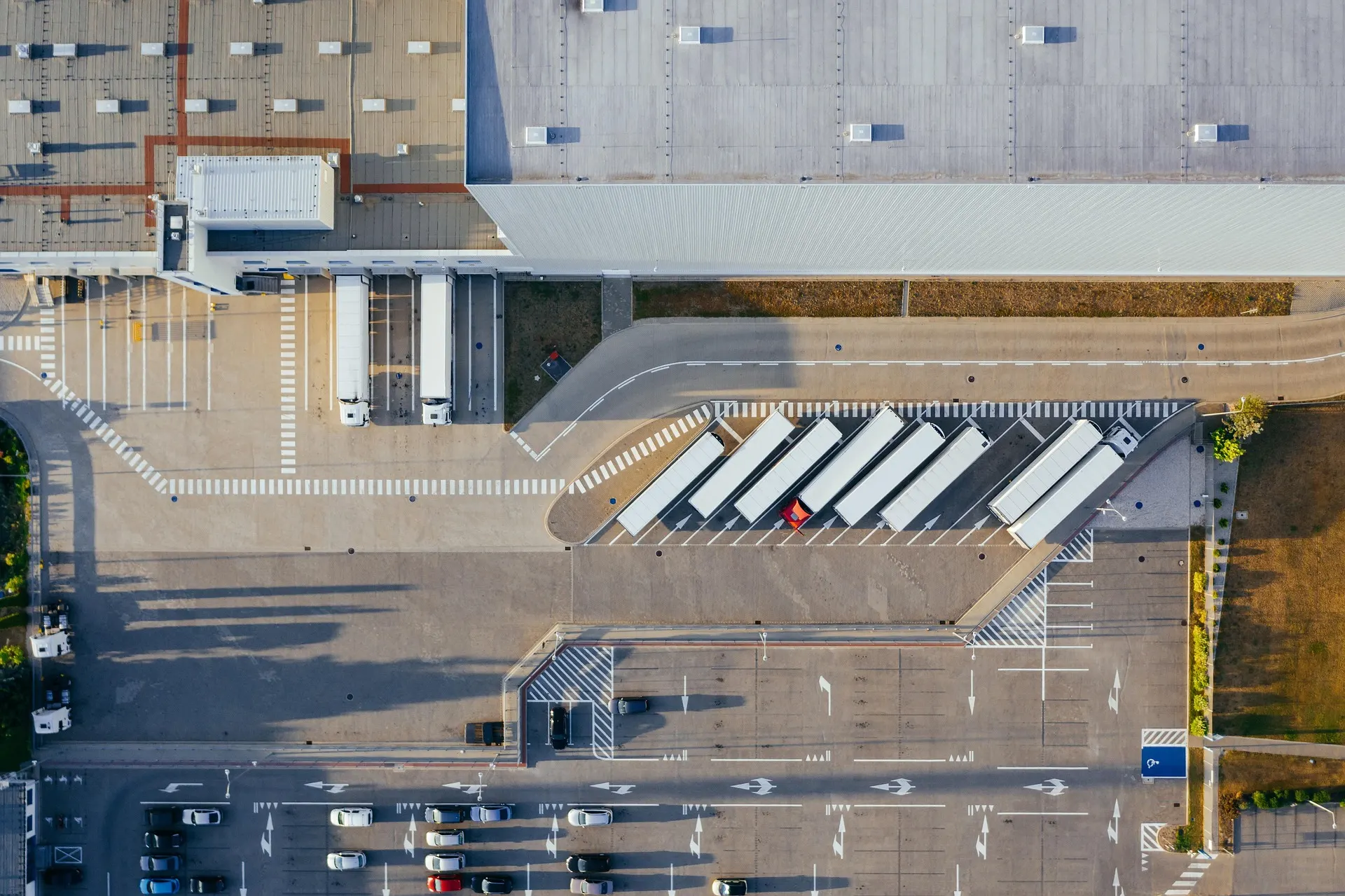
Selling well in this market is a matter of knowing which market you are in. As of Q3 2026 the Inland Empire runs 7.1% direct vacancy with asking rents at $0.99/SF/mo NNN — tenant-favourable overall. But that average hides two very different stories: industrial outdoor storage and infill west-side product are genuinely seller-favourable, while east-side big-box faces 7.3% vacancy and patient buyers. What your property is worth, and whether now is the moment, depends on which of those you own.
What is your property actually worth?
Start with a number, then decide. The Industrial Value Estimator gives you an instant range from current sub-regional pricing — useful for framing whether a sale is even worth exploring. It is deliberately a range, because the spread between two physically similar buildings is wide.
A broker opinion of value is the real answer. I pull actual comparable sales and leases in your submarket, weigh your building's clear height, loading, power, coverage, and zoning against them, and give you a defensible range in writing. It costs nothing, carries no obligation, and most owners use it to decide whether to sell, refinance, lease, or simply hold another year.
How the sale process works
- Valuation and strategy. What it is worth, what it would lease for, and whether selling, leasing, or refinancing serves you best. No listing agreement required to have this conversation.
- Preparation. Title, survey, environmental history, permits, and any deferred maintenance that will surface in diligence — found now rather than at day 40 of escrow when it becomes a price renegotiation.
- Pricing and positioning. Set against real comps and the current buyer pool for your specific size range, not against what a neighbour is asking.
- Marketing. On-market exposure through the brokerage network plus direct outreach to the owner-users, developers, and institutional buyers actually active in your submarket. For IOS in particular, the best buyer is frequently someone who never sees a public listing.
- Offers and escrow. Underwrite each buyer's ability to close, not just their number, then manage diligence, financing, and closing to the date.
What drives the number
For buildings: clear height first — the rent and value gap between a 22-foot building and a 32-foot building is wider than the gap between submarkets. Then dock-high door count and truck court depth, power service, sprinkler type, office finish ratio, and freeway access. For yards: usable acreage and coverage, whether outdoor storage is a permitted or legal-nonconforming use, surface condition, secured perimeter, and truck circulation.
A lease in place can dominate all of it. A building occupied at a below-market rate with years of term remaining sells to an investor pricing the income stream, not to an owner-user pricing the real estate — and those two buyers value the same asset very differently. Which one you should be selling to is a decision worth making deliberately.
Where your property sits
Read the current Inland Empire Industrial Market Report for vacancy, rents, and IOS pricing, or go straight to your city and asset type in the submarket pages. If you are weighing a sale against continuing to occupy the building yourself, the Lease vs. Buy calculator frames that trade directly.
If the answer turns out to be "lease it rather than sell it," that is a different playbook — see landlord representation for how vacant space gets priced and taken to market in a 7.1% vacancy environment.
Source: Kidder Mathews Q3 2026, Lee & Associates Mid-2026, Q3 2026.
By Dan Scodeller, Senior Vice President | Principal, Lee & Associates Last updated Data through Q3 2026
Questions about selling industrial property
Is now a good time to sell industrial property in the Inland Empire?
It depends entirely on what you own. Industrial outdoor storage and smaller infill buildings on the west side are in a seller's market — IOS supply is effectively fixed by zoning, institutional capital is actively buying, and yards are trading around a 6.5% cap rate. East-side big-box is the opposite: 7.3% vacancy, competition from new deliveries, and buyers who can afford to wait. Between those poles, the honest answer for a specific building comes down to size, location, clear height, and whether there is a lease in place. That is a fifteen-minute conversation, not a market-wide yes or no.
How long does it take to sell an industrial building in the Inland Empire?
Plan on three to six months from listing to close for a well-priced building, and longer if it is large, specialised, or occupied by a tenant on a below-market lease. Roughly 30 to 60 days of that is marketing and offer negotiation, then 30 to 45 days of due diligence, then escrow. IOS yards often move faster because the buyer pool is deep and the diligence is simpler — there is less building to inspect. The single biggest driver of timeline is pricing: a building priced correctly draws competing offers in the first three weeks, and one priced on hope sits and goes stale, which costs more than the premium was ever worth.
Should I sell my IOS yard separately from the building on the same parcel?
Often, yes — and many owners have no idea this is even an option. Industrial outdoor storage now trades as a separately valued asset, distinct from any structure sitting on the same land, at roughly $1,500,000 to $2,300,000 per usable acre in Inland Empire West and $850,000 to $1,450,000 in Inland Empire East. If you own a modest older building on several acres of paved, fenced yard, the dirt around it may be worth more than the structure. Before you sell the whole parcel as "an industrial building," it is worth having the yard valued on its own terms.
What does it cost to sell, and who pays the commission?
Commission is negotiable, it is agreed in writing before anything is marketed, and it is customarily paid by the seller at closing out of proceeds — split between the listing side and whoever brings the buyer. Beyond that you should budget for escrow and title, transfer taxes, and any credits negotiated during diligence. There is no charge for the valuation or the conversation that precedes all of it, and no obligation to list. If the numbers say hold, I will tell you to hold.
Do I need to repair or improve the building before selling?
Usually far less than owners expect. Industrial buyers underwrite location, clear height, loading, power, and land — not paint and landscaping. Cosmetic spending rarely returns its cost. What does pay is resolving anything that will surface in diligence and spook a buyer mid-escrow: a roof at the end of its life, deferred slab or dock repairs, an open environmental item, or unpermitted work. Identifying those early and pricing them into the deal is much cheaper than renegotiating under pressure at day 40.
Find out what your building or yard is worth
A free broker opinion of value, in writing, with the comps behind it. No obligation to list — and if the numbers say hold, I will tell you to hold. Call or text 949-763-3387.