

Landlord representation
Landlord Representation — Inland Empire Industrial
Space coming back to you, or already sitting? Pricing, concession strategy, and direct outreach to the tenants actually in the market — not just a listing and a wait.
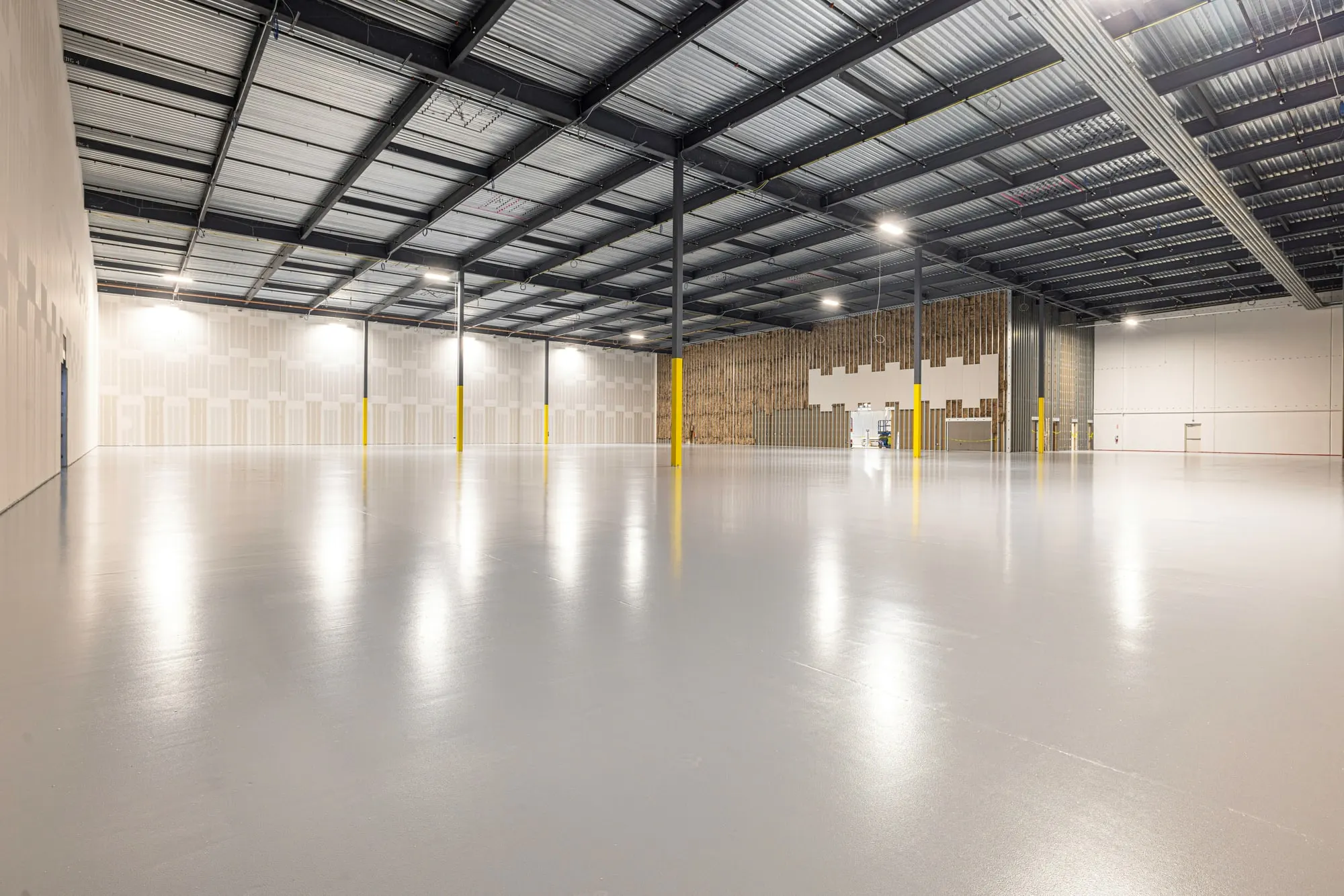
Leasing industrial space in Q3 2026 takes more than a sign and a listing. Direct vacancy is 7.1%, availability is 12.9%, and asking rents at $0.99/SF/mo NNN are off about 5% year over year — which means any tenant touring your building is touring several others the same week. The buildings that lease are the ones priced correctly on day one and taken directly to tenants with expirations coming. The ones that sit are waiting for inbound calls that no longer come.
Price it right the first time
The most expensive mistake available to a landlord in this market is an ambitious asking rate for two quarters followed by a reduction. You lose the rent you never collected, and you inherit a building the brokerage community has already decided is overpriced. Time on market is a signal tenants read, and it costs more than the premium was ever worth.
Pricing correctly means setting against what has actually leased in your submarket and size range recently — $1.05/SF/mo NNN in Inland Empire West, $0.93/SF/mo NNN in Inland Empire East on average, adjusted for your clear height, loading, power, and yard. It also means being deliberate about the split between face rate and concessions.
Protect the face rate, concede one-time value
Free rent and improvement allowances are one-time costs. A reduced face rate is permanent: it compounds through every escalation, sets the basis for the renewal, and shows up in the capitalised value whenever you sell or refinance. Given a choice between three months free and a lower headline rent of equivalent present value, take the free rent almost every time.
Go to the tenants, don't wait for them
The tenants who will lease your building are, right now, sitting in someone else's building with a lease expiring in the next 12 to 24 months. Reaching them means knowing who they are — which companies, in which submarkets, at what expirations — and contacting them and their brokers directly. That is the difference between a marketing plan and a listing.
Lease it, or sell it?
Worth answering deliberately rather than by reflex. A vacant building sells to an owner-user pricing the real estate; a leased one sells to an investor pricing the income. At smaller sizes owner-users are frequently the stronger bidders, so leasing first is not automatically the value-maximising move. And if your site carries meaningful yard, the IOS component may be worth more separately than the building is worth leased. I will underwrite both and give you the comparison — see seller representation for how the sale side works, or get a quick read from the Value Estimator.
Current conditions
The Inland Empire Industrial Market Report carries vacancy, rents, absorption, and IOS pricing, refreshed quarterly. For conditions in your specific city and asset type, the submarket pages break it down city by city.
Source: Kidder Mathews Q3 2026, Lee & Associates Mid-2026, Q3 2026.
By Dan Scodeller, Senior Vice President | Principal, Lee & Associates Last updated Data through Q3 2026
Questions about leasing your industrial building
How long does it take to lease a vacant industrial building in the Inland Empire?
Budget six to twelve months in Q3 2026 conditions, against the two or three months landlords grew used to in 2021. Direct vacancy is 7.1% and availability is 12.9%, so a tenant touring your building is touring several others the same week. Smaller, well-located west-side space moves faster; large east-side blocks competing against new construction take longest. The buildings that beat those timelines are the ones priced correctly on day one — a building that sits for six months at an ambitious rate then reduces almost always nets less than one priced right initially, because the market reads time on market as a signal.
What concessions do I need to offer to lease space right now?
Expect to provide free rent, an improvement allowance, or both — the package is how this market clears, and a landlord refusing to participate simply stays vacant. The useful way to think about it is effective rent: a month of free rent costs you far less than a permanent reduction in face rate, because the face rate compounds through every escalation and sets the basis for the next renewal and for any future sale of the building. Structure concessions as one-time value, protect the headline rate, and the asset is worth more on the other side.
Should I lease my building or sell it?
That depends on what you own and what you need. A leased building sells to an investor pricing the income stream; a vacant one sells to an owner-user pricing the real estate — and in this market owner-users are frequently the stronger bidders, particularly at smaller sizes. So the reflex that a building must be leased before it can be sold is not always right. If your parcel includes meaningful yard, run the numbers separately: industrial outdoor storage is trading near a 6.5% cap rate and the dirt may be worth more than the structure. I will underwrite both paths and tell you which is stronger, including when the answer is to hold.
How do you market a vacant industrial building?
Listing it is the least important part. The work is direct outreach to the tenants who are actually in the market — companies with leases rolling in the next 12 to 24 months, operators outgrowing their current space, and the tenant-rep brokers running those requirements. That means knowing who is expiring, where, and when, rather than waiting for inbound calls on a listing. Alongside that: accurate specs and photography, a clear effective-rent story, and fast, straight answers to broker enquiries, which sounds trivial and is a genuine differentiator.
How do you evaluate whether a tenant is worth taking?
Rate is only one term. A slightly lower rent from a well-capitalised operator on a longer term with real security is usually worth more than a headline number from a thin covenant that may not survive the lease — because releasing costs you downtime, commissions, and another improvement allowance. I look at financial statements, the trajectory of the business, how the space fits their operation, security deposit and guaranty structure, and what their improvements are worth to the next tenant if they leave. A building is worth what its income stream is worth, and that depends on who is paying it.
Have space coming back — or sitting?
Tell me the building, the size, and when it comes available. You will get a straight read on where it should be priced and how long it should take. Call or text 949-763-3387.