

Riverside County · Inland Empire West · Q2 2026
Industrial Outdoor Storage (IOS) in Corona
Asking rent
$9,000–$14,000 per acre per month
Sale pricing
$1,500,000–$2,300,000 per usable acre
Inland Empire West vacancy
5.9%
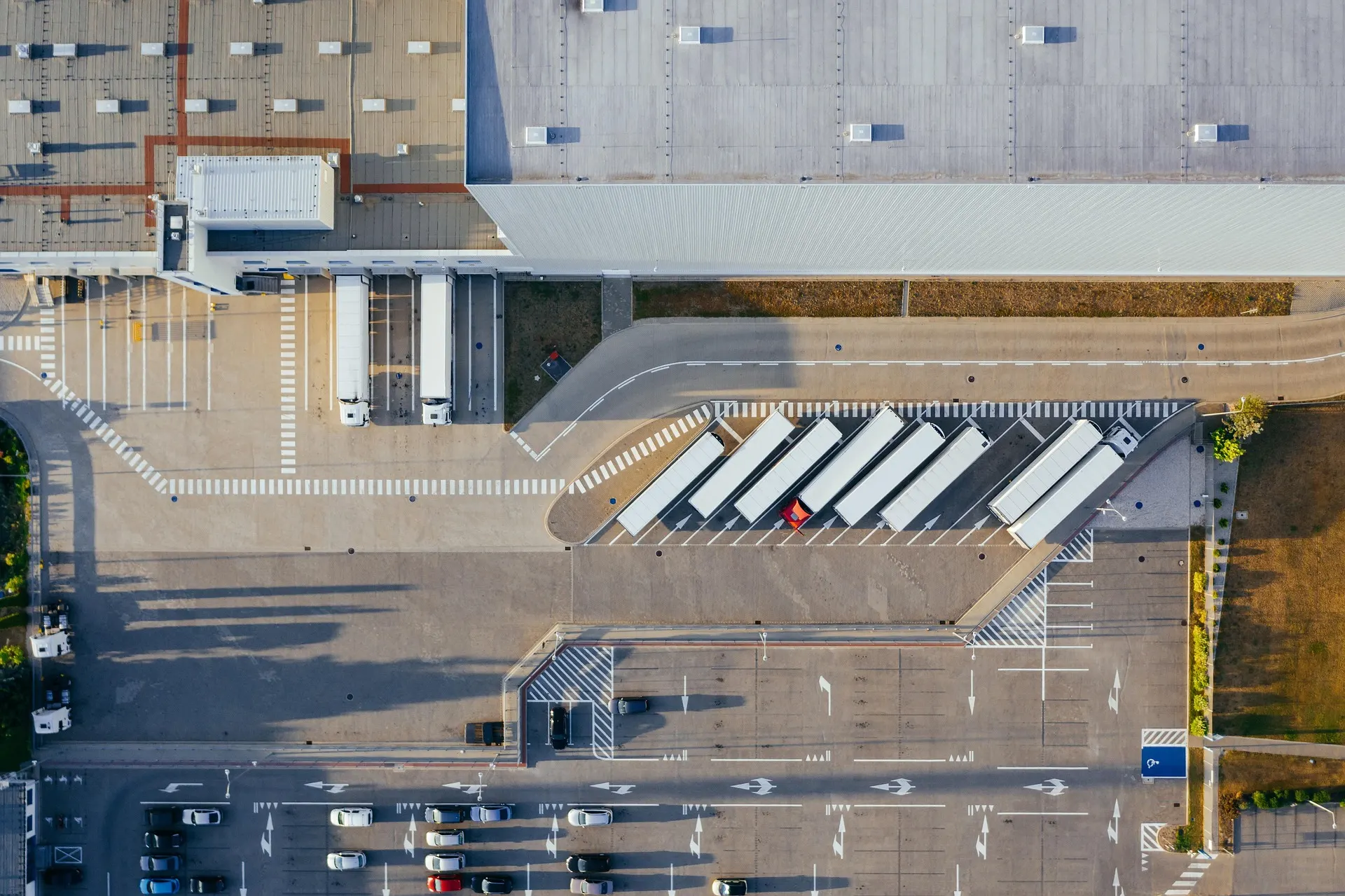
Industrial outdoor storage in Corona, California typically leases for $9,000–$14,000 per acre per month and sells for $1,500,000–$2,300,000 per usable acre as of Q2 2026. Corona sits in Inland Empire West (Riverside County), where direct industrial vacancy runs about 5.9%. Unlike buildings, IOS pricing tracks the dirt — usable acreage and coverage ratio, whether outdoor storage is a permitted or legal-nonconforming use, surface condition, secured perimeter, truck circulation, and freeway access — and it is the one Inland Empire segment that has stayed seller-favorable, trading near a 6.5% cap rate.
By Dan Scodeller, Senior Vice President | Principal, Lee & Associates Last updated Data through Q2 2026
What are current market conditions for industrial outdoor storage (ios) in Corona?
City-level industrial statistics are not published with the same rigor as sub-regional figures, so the table below shows Inland Empire West conditions — the best available proxy for Corona — alongside the Inland Empire overall. Use it to frame expectations, then get a building- or site-specific survey before making a decision.
| Metric | Inland Empire West | Inland Empire overall |
|---|---|---|
| Average asking rent (NNN) | $1.11/SF/mo | $0.98/SF/mo |
| Direct vacancy | 5.9% | 7.6% |
| Total vacancy (incl. sublease) | Tracked IE-wide | 8.6% |
| Availability rate | Tracked IE-wide | 12.9% |
| IOS cap rate (indicative) | Tracked IE-wide | ~6.5% |
| Market character | Tighter and pricier, port-proximate, premium logistics demand | |
Market figures are aggregated from third-party commercial real estate research (CBRE, Colliers, Kidder Mathews, Savills, Altus Group, Lee & Associates) for the quarter shown. Data is deemed reliable but not guaranteed and represents market averages that may not reflect any specific property.
| Measure | Corona estimate |
|---|---|
| Typical asking rent | $9,000–$14,000 per acre per month |
| Typical sale pricing | $1,500,000–$2,300,000 per usable acre |
| Sub-region | Inland Empire West · $1.11/SF/mo NNN average |
| What sets pricing | usable acreage and coverage ratio, whether outdoor storage is a permitted or legal-nonconforming use, surface condition, secured perimeter, truck circulation, and freeway access |
IOS is quoted per acre per month rather than per square foot. Rates vary widely with surface, security, and zoning.
Source: CBRE Q2 2026, Colliers Q1 2026, Kidder Mathews Q2 2026, Savills Q1 2026, Lee & Associates Mid-2026. Pricing estimates are derived from sub-regional averages and are directional only.
Why Corona for industrial outdoor storage (ios)?
Southwest gateway between the IE and Orange County; premium demand for small/mid-bay and flex. For industrial outdoor storage yards specifically, that context matters: Corona is in Riverside County and prices against Inland Empire West conditions — currently 5.9% direct vacancy and $1.11/SF/mo NNN average asking rent.
Being on the west side of the Inland Empire carries a real premium. Inland Empire West runs 5.9% vacancy against 9.0% on the east side, and asking rents are about $0.17 per square foot per month higher. Tenants pay that premium for proximity to the Ports of Los Angeles and Long Beach and to Ontario International Airport — the fewer miles per truck turn, the more the premium pencils. Developable land is largely exhausted here, so new supply is limited and existing product holds value better through soft cycles.
Typical users of industrial outdoor storage yards in Corona are port drayage and trucking companies, container and chassis operators, equipment rental firms, contractors, fleet operators, and last-mile delivery companies. Yards typically trade and lease between 1 and 20 usable acres, with or without a small supporting building.
What to check before you lease or buy industrial outdoor storage (ios) in Corona
Zoning is the whole ballgame
Whether outdoor storage is a permitted use, a conditional use, or legal-nonconforming determines value more than location does. Most Inland Empire jurisdictions have tightened or stopped entitling new outdoor storage, so an existing legal yard carries scarcity value that cannot be replicated.
Usable acreage is not gross acreage
Setbacks, drainage basins, easements, and required landscaping routinely take 15 to 25 percent off a parcel. Underwrite the acreage a truck can actually use, not the acreage on the tax roll.
Surface and security set the rent
Fully paved, fenced, lit, and gated yards command a clear premium over dirt or chipseal. Surface upgrades are among the few improvements that reliably return more than their cost in this asset class.
Industrial Outdoor Storage (IOS) in Corona — frequently asked questions
How much does industrial outdoor storage cost in Corona, CA?
IOS land in Corona generally leases for $9,000–$14,000 per acre per month and sells for $1,500,000–$2,300,000 per usable acre of usable acreage as of Q2 2026. Those are wide ranges on purpose — yard pricing swings 40% or more on zoning status, coverage, and surface alone. A fully paved, fenced, and lit yard with outdoor storage as a permitted use prices at the top of the range; a dirt yard operating as legal-nonconforming prices near the bottom. Inland Empire IOS is trading around a 6.5% cap rate overall.
Is there industrial outdoor storage available in Corona right now?
Yes, but availability is thin and it moves off-market quickly. Inland Empire West shows 5.9% direct vacancy for buildings, but IOS does not follow that number — most Inland Empire jurisdictions have stopped entitling new outdoor storage, so the supply of legal yards in Corona is effectively fixed. Yards frequently trade or lease before they are ever publicly marketed. The practical approach is to register a specific requirement — acreage, zoning tolerance, surface, and timing — so you hear about sites as they come available rather than after.
Is Corona a good location for a truck yard or outdoor storage?
Southwest gateway between the IE and Orange County; premium demand for small/mid-bay and flex. As part of Inland Empire West, Corona costs more — about $1.11/SF/mo NNN against $0.94/SF/mo NNN on the east side — and delivers shorter drayage runs to the ports and Ontario International Airport. It fits operations where truck turns per day drive the economics. The honest answer for any specific requirement depends on your truck counts, headcount, power needs, and timing — which is exactly the conversation worth having before you tour anything.